Service
Toxicology and Environmental Risk Assessment
Industry
Government
PROJECT LOCATION
Kamouraska, Quebec
PROJECT DATE
2015, 2017-2018 & 2022
QUANTITY
N/A
CHALLENGES
The project involved assessing toxicological and ecotoxicological risks associated with heavy metals in the soil of a remote island.
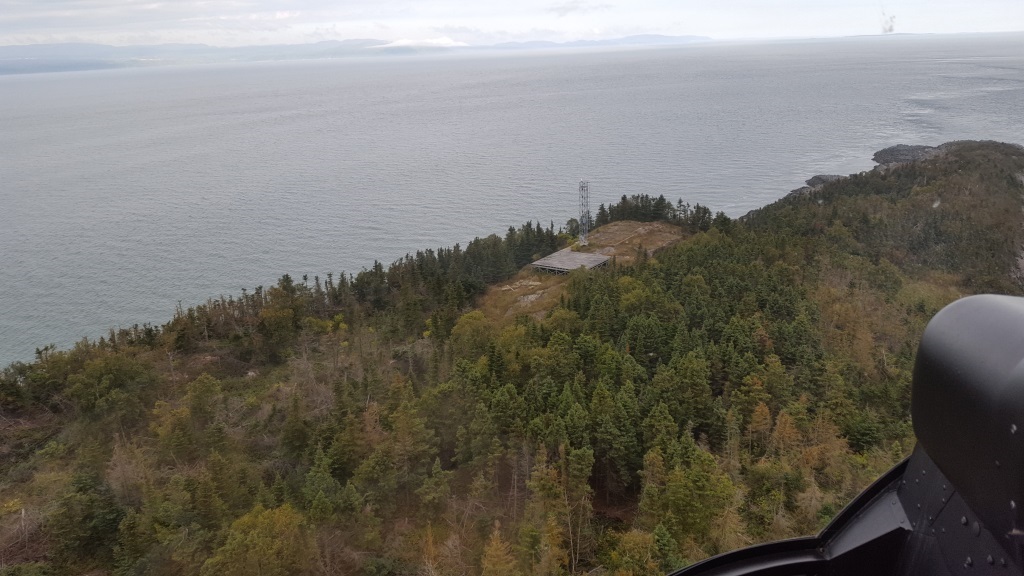
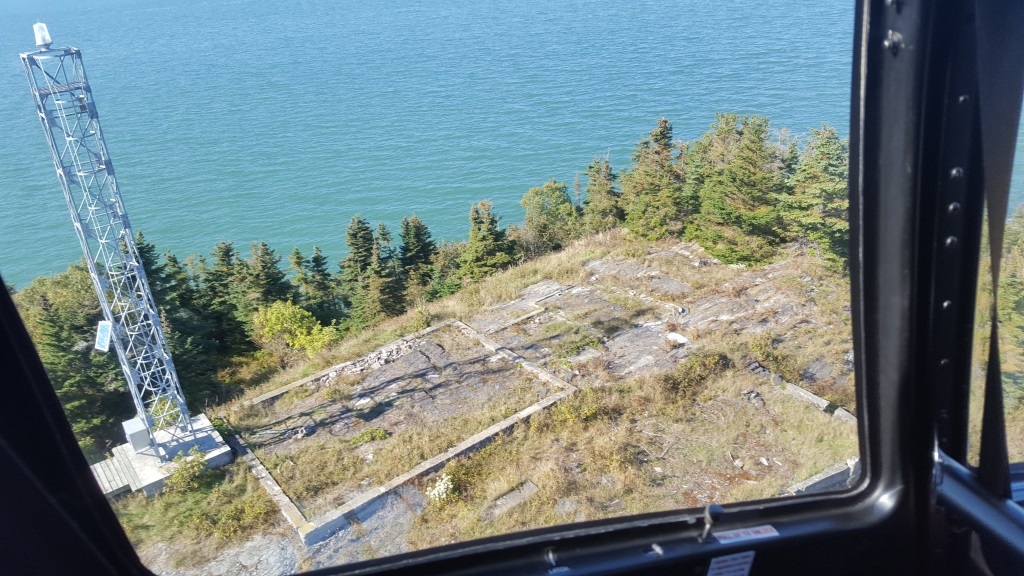
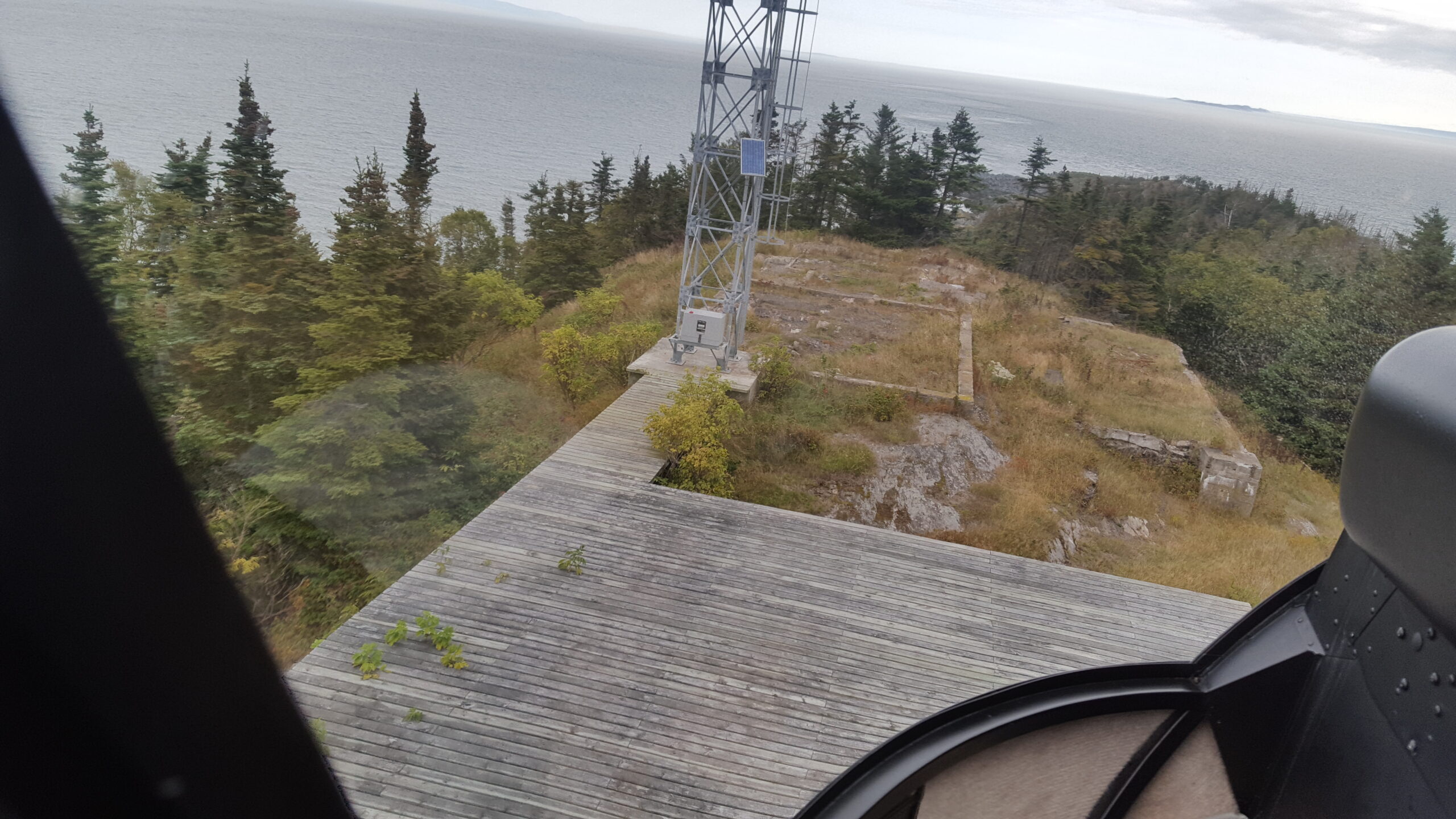
The remediation strategy had to reduce risks to human health and ecological receptors while minimizing ecosystem disruption. It also had to account for shallow soil depths, steep slopes, risks of erosion and landslides, and limited access to the site. Transporting soil via helicopter sling loads represented a significant logistical and safety constraint.
Preserving mature trees, which provide a suitable nesting habitat for the common eider, also had to be balanced with the remediation objectives.
BACKGROUND
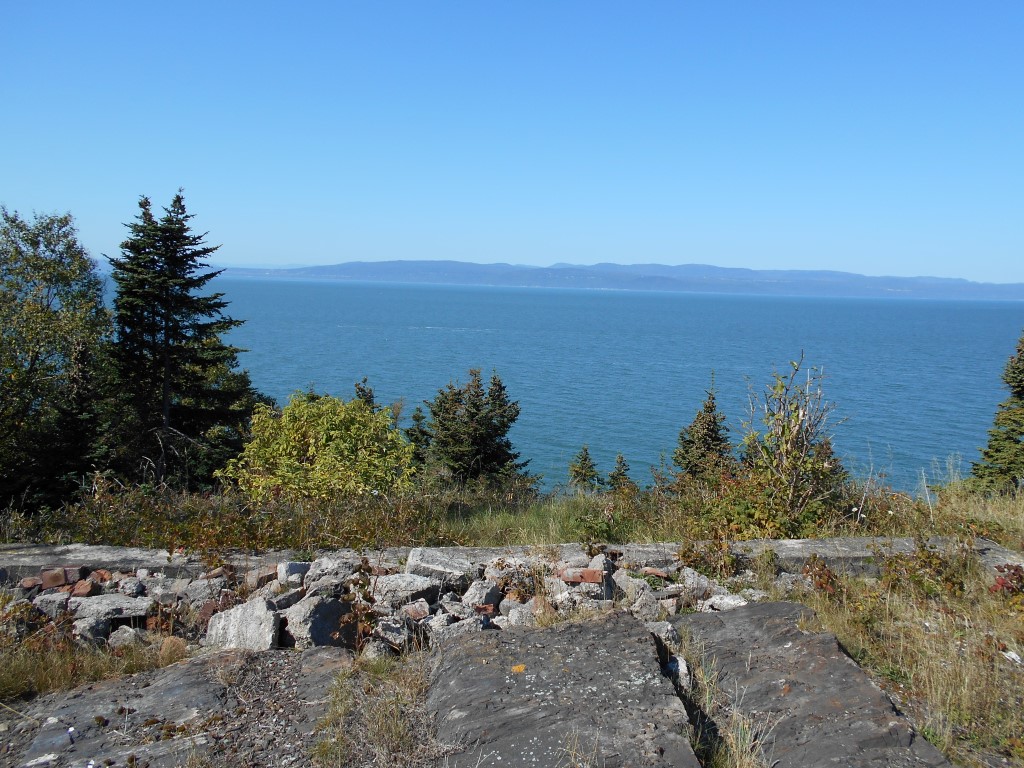
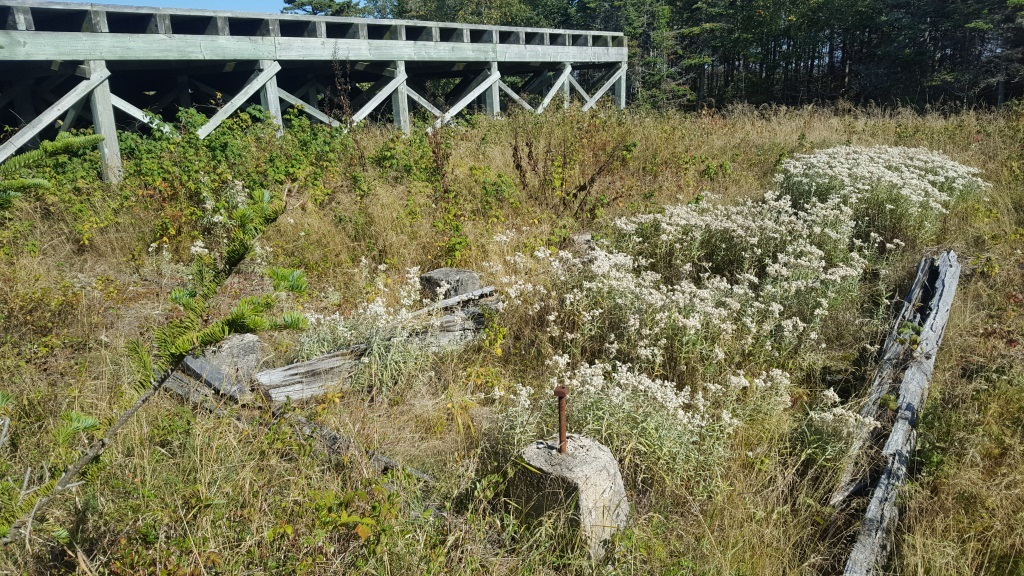
The site, formerly home to a lighthouse, is located on an island in the St. Lawrence River estuary, near a national wildlife refuge. Past activities had resulted in soil contamination by heavy metals.
Carried out in several phases, the project aimed to address the site’s environmental liabilities and ultimately remove it from the Federal Contaminated Sites Inventory.
An environmental risk assessment was necessary to determine appropriate measures without compromising the conservation of existing island habitats.
Solution
A supplementary soil characterization was first conducted. This included estimating metal bioaccumulation in plants and assessing vegetation health as part of post-remediation environmental monitoring.
Toxicological risks to human health and terrestrial ecological receptors were then assessed in accordance with Federal Contaminated Sites Action Plan procedures. This process allowed determination of contamination levels corresponding to an acceptable level of risk.
Site-specific remediation criteria were developed, including a threshold for lead in surface soils designed to protect birds and small mammals. The recommendations included remediating the areas exceeding this threshold, except in select wooded areas and sectors with steep slopes.
A risk management plan was also prepared to balance human health protection, ecological risk reduction, and ecosystem conservation.
HIGHLIGHTS
- Project carried out in several phases: 2015, 2017–2018, and 2022.
- Supplementary soil characterization and estimation of metal bioaccumulation in plants.
- Risk assessment for human health, birds, and small mammals.
- Identification of unacceptable risks associated with certain metals.
- Development of a site-specific remediation threshold for lead in surface soils.
- Recommendation of remediation work and mitigation measures, including access restrictions.
- Targeted protection of forested areas serving as nesting grounds for the common eider.
- Consideration of erosion and landslide risks, and of the constraints related to soil slinging by helicopter.
- Establishment of a balance between the sustainability of bird and mammal populations, habitat conservation, and the reduction of risks associated with contamination.
HAVE A PROJECT IN MIND?
Let's connect!