
No Results Found
The page you requested could not be found. Try refining your search, or use the navigation above to locate the post.
Service
Atmospheric Dispersion Modelling
Industry
Mining & Metals
PROJECT LOCATION
Malartic, Quebec
PROJECT DATE
2015-2016
QUANTITY
N/A
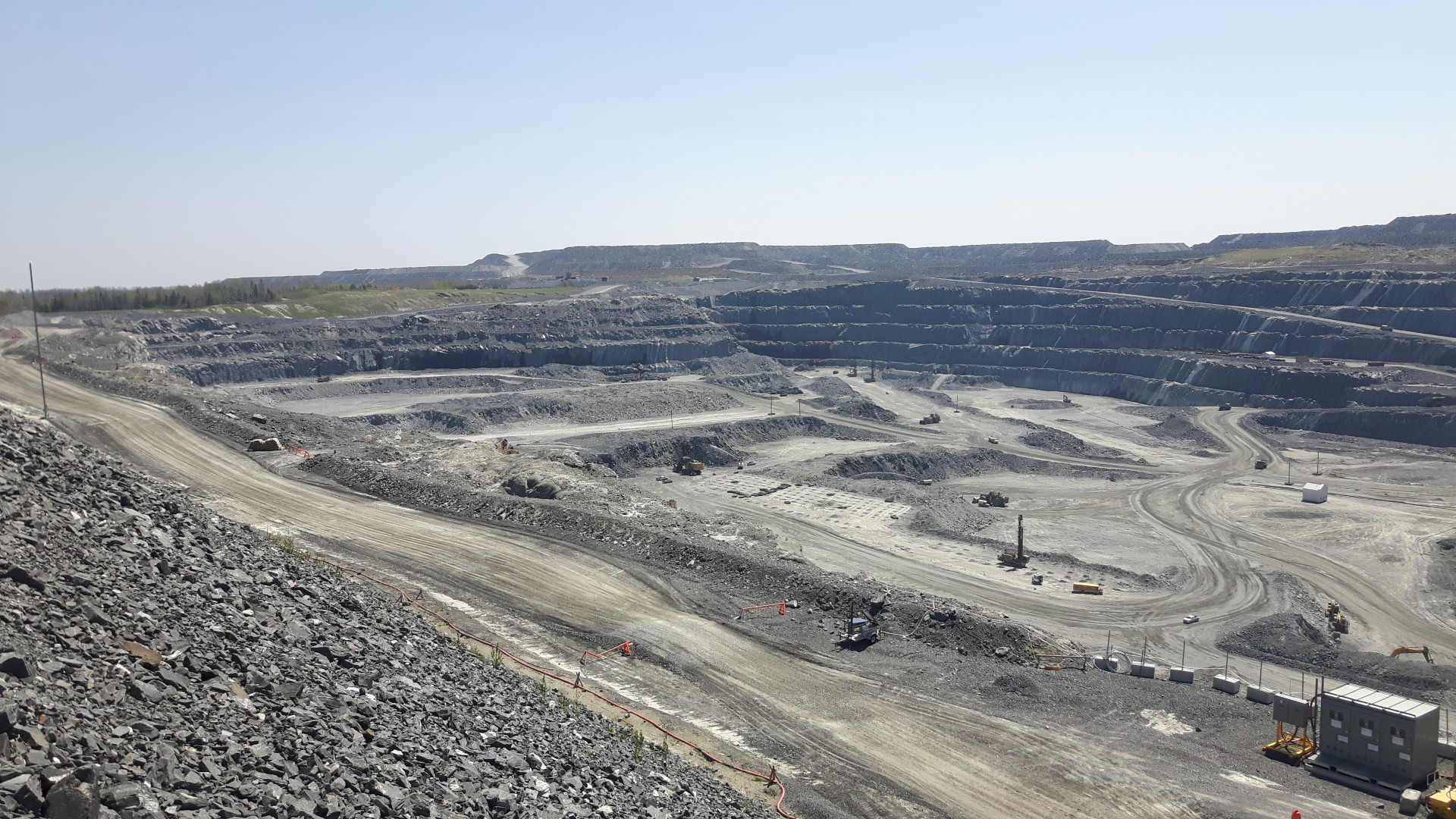
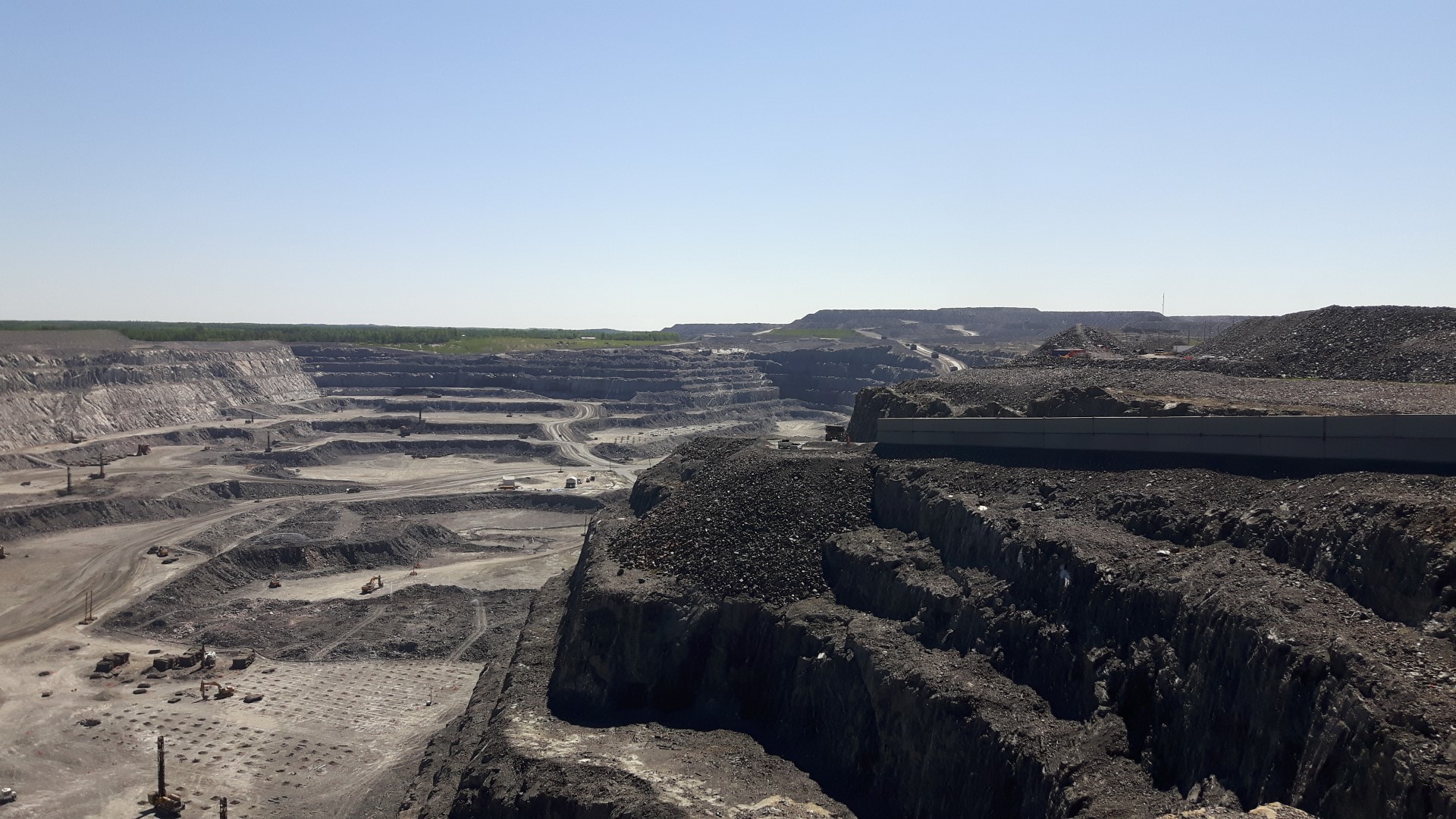
The open-pit mine is adjacent to the urban centre of Malartic. This proximity required a rigorous assessment of health risks to the surrounding population associated with air emissions generated by mining activities. In particular, the analysis had to account for fine particulate matter PM2.5), respirable crystalline silica, gaseous oxides (nitrogen dioxide, sulphur dioxide, and carbon monoxide), as well as 18 metals and metalloids.
Another challenge was interpreting discrepancies between concentrations measured in ambient air and those estimated through modelling, and then assessing the risks over the entire operating period, from 2011 to 2028, based on the acceptability criteria of the Institut national de santé publique du Québec (INSPQ).
The project was part of the environmental impact assessment regarding the expansion of the Canadian Malartic open-pit gold mine. As part of Quebec’s environmental impact assessment and review process, the operator sought to determine whether the particulate matter and gases emitted by mining operations could pose a toxicological risk to the health of Malartic residents.
An initial assessment conducted by Sanexen for the original project had been presented during the 2009 public hearings. It focused on metals and silica and concluded that projected emissions were not expected to cause a significant risk to public health. The new study was intended to incorporate the data available for the expansion project and form part of the sectoral studies within the environmental impact assessment.
Toxicological risks were assessed according to INSPQ procedures and acceptability criteria. The air concentrations measured in Malartic from 2012 to 2015 were examined and compared to concentrations estimated by modelling as part of the impact study, as well as to levels deemed safe for health.
Analysis of air quality monitoring data confirmed that mine emissions had not posed a significant health risk to residents during the documented period. It also showed that the models for the corresponding years significantly overestimated mine emissions, since the modelled concentrations around the site were higher than the concentrations actually measured.
Putting modelled concentrations for the 2011–2028 period into perspective with the knowledge gained regarding actual emissions made it possible to conclude that operations did not pose a significant risk to the health of the surrounding population. Recommendations nonetheless included maintaining the atmospheric emissions management plan until the end of mining operations and improving monitoring of respirable crystalline silica in the air. The expert responsible for the risk assessment also participated in the hearings held by the Bureau d’audiences publiques sur l’environnement (BAPE) in Malartic.
Let's connect!
The page you requested could not be found. Try refining your search, or use the navigation above to locate the post.
