Service
Toxicology and Environmental Risk Assessment
Industry
Mining & Metals
PROJECT LOCATION
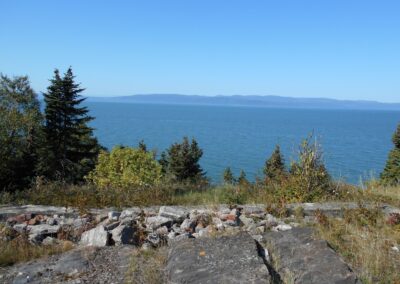
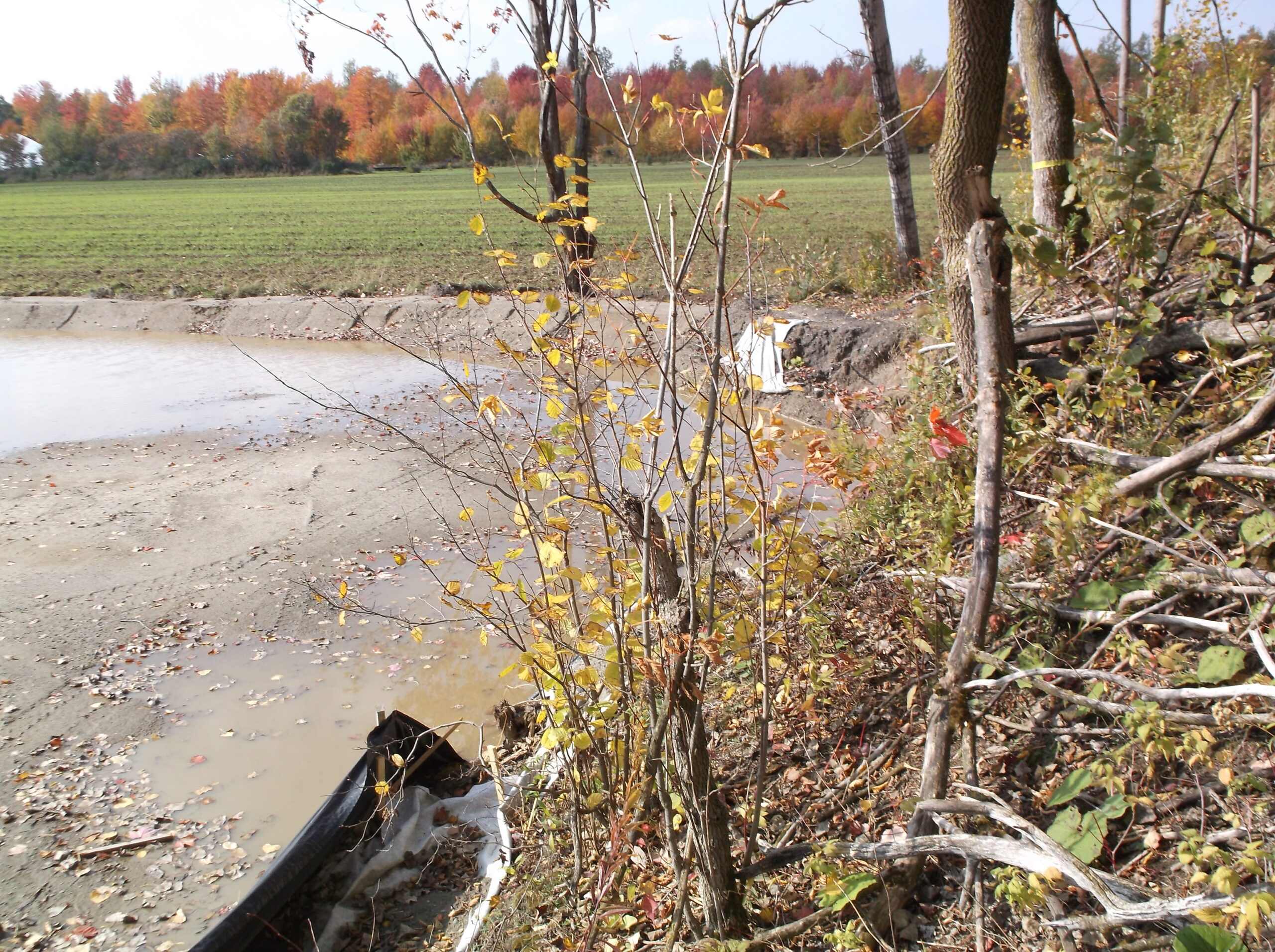
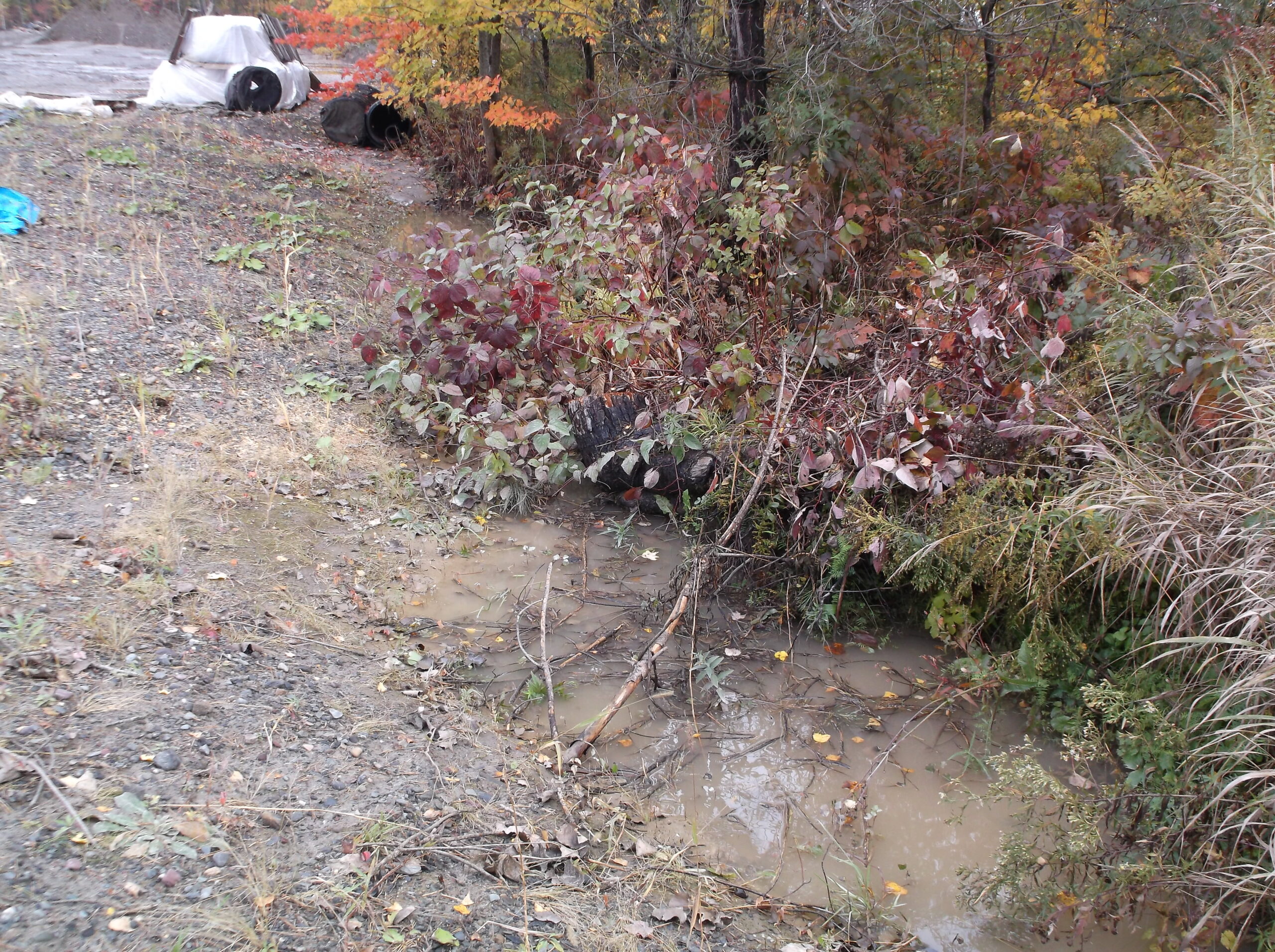
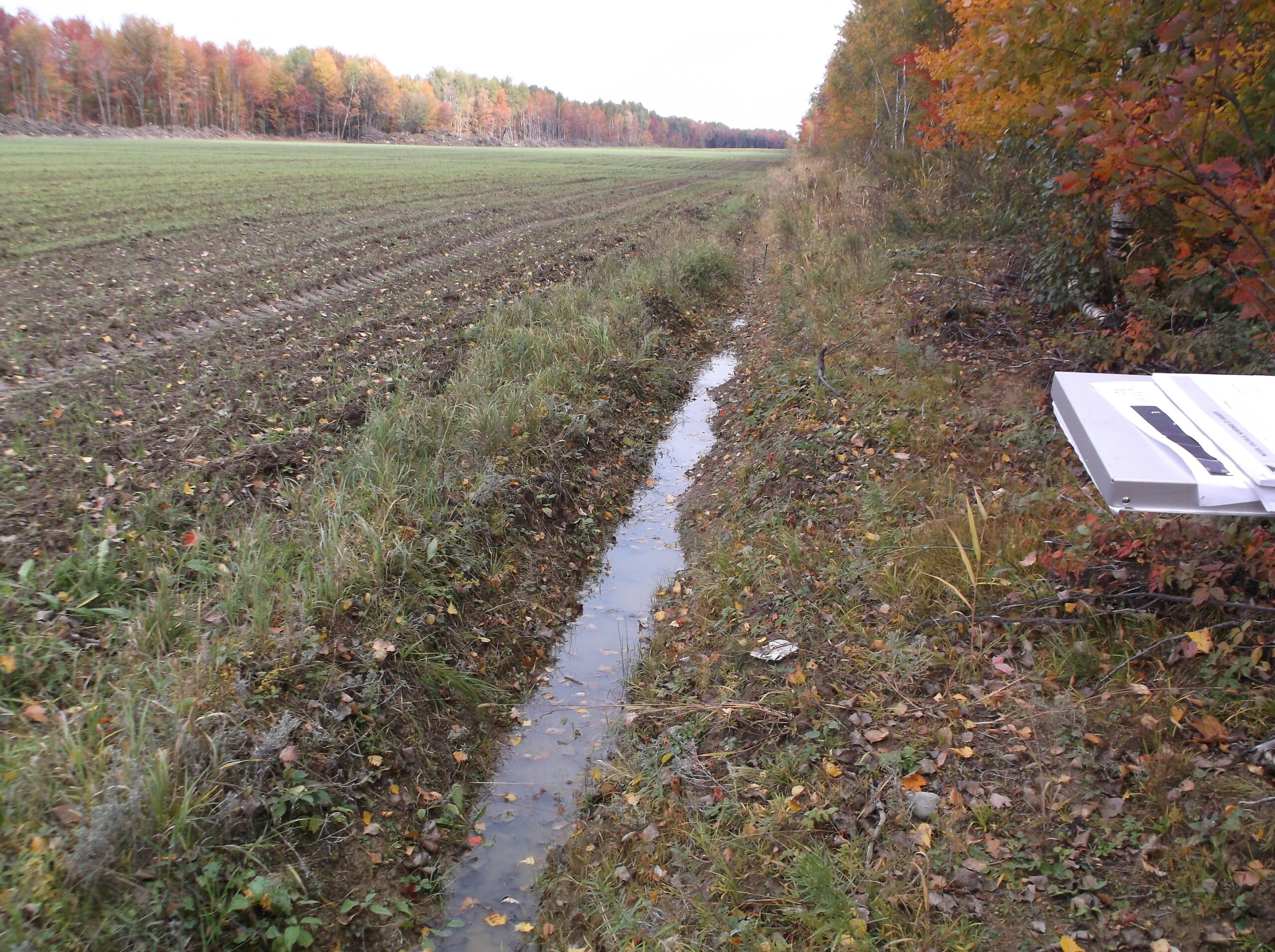
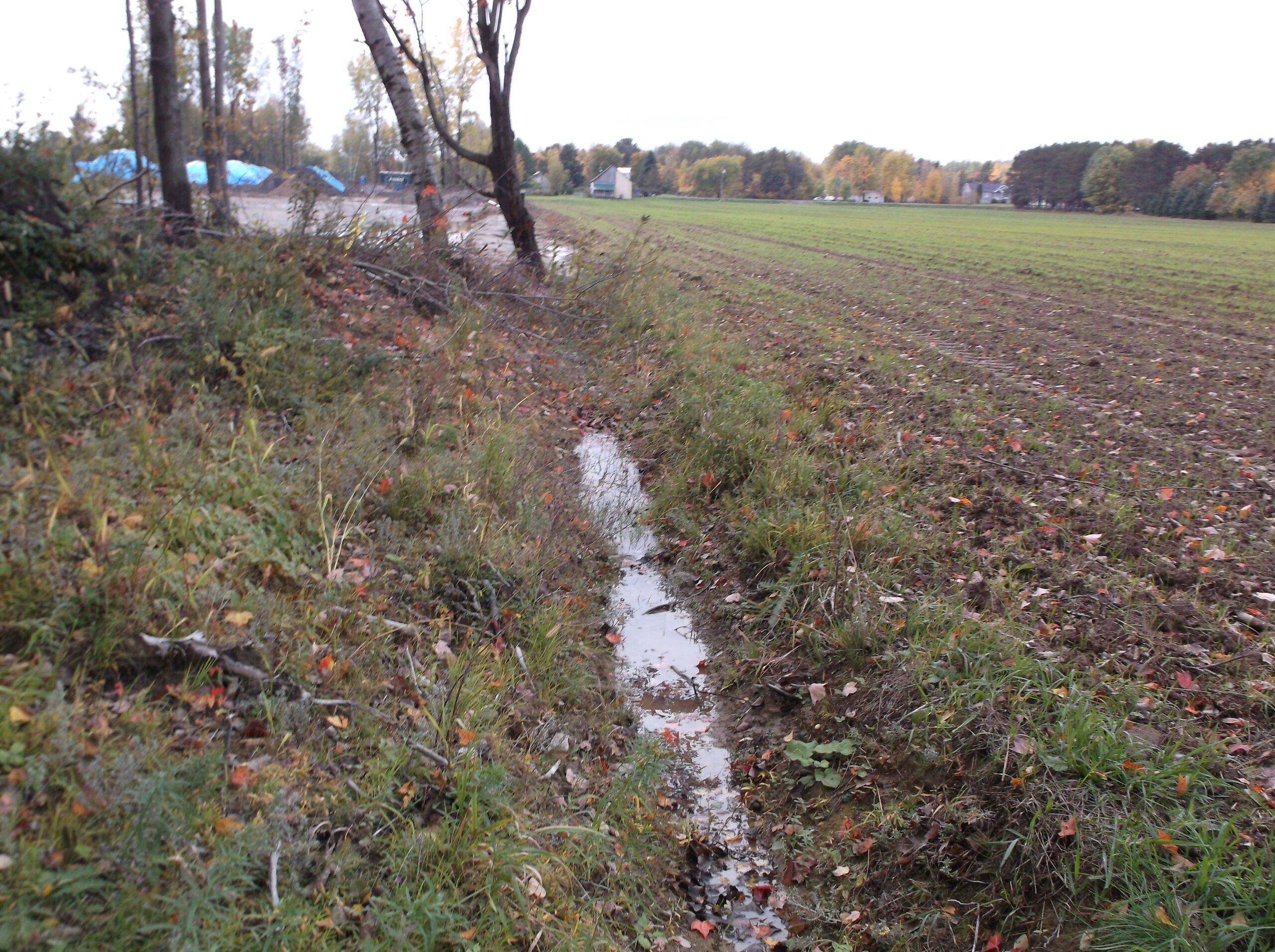
Wooded area adjacent to the former Saint-Germain foundry site, Saint-Edmond-de-Grantham (Centre-du-Québec)
PROJECT DATE
2017 to 2021
QUANTITY
N/A
CHALLENGES
The project aimed to assess the toxicological and ecotoxicological risks associated with surface soil contamination in a wooded area. The intervention also had to determine the best risk reduction measures while preserving the woodland, using a cost-benefit approach.
The contamination, consisting of metals as well as dioxins and furans, had an uncertain spatial distribution and vertical profile. Optimizing dioxins and furans characterization was also a major challenge in order to limit analytical costs.
BACKGROUND
The mandate involved addressing the environmental liabilities of a contaminated federal site located in Quebec. The wooded area under study, adjacent to the former Saint-Germain foundry property, had been affected by airborne contamination originating from the neighbouring site.
The land could be used for recreational activities, notably hunting and berry and mushroom picking. A detailed assessment was therefore necessary to measure the risks associated with these uses and guide the site’s environmental remediation.
Solution
An analysis of correlations between concentrations of dioxins and furans and of certain metals in surface soils was performed to establish their common airborne origin. This approach optimized the characterization campaign and reduced the required number of dioxin and furan analyses.
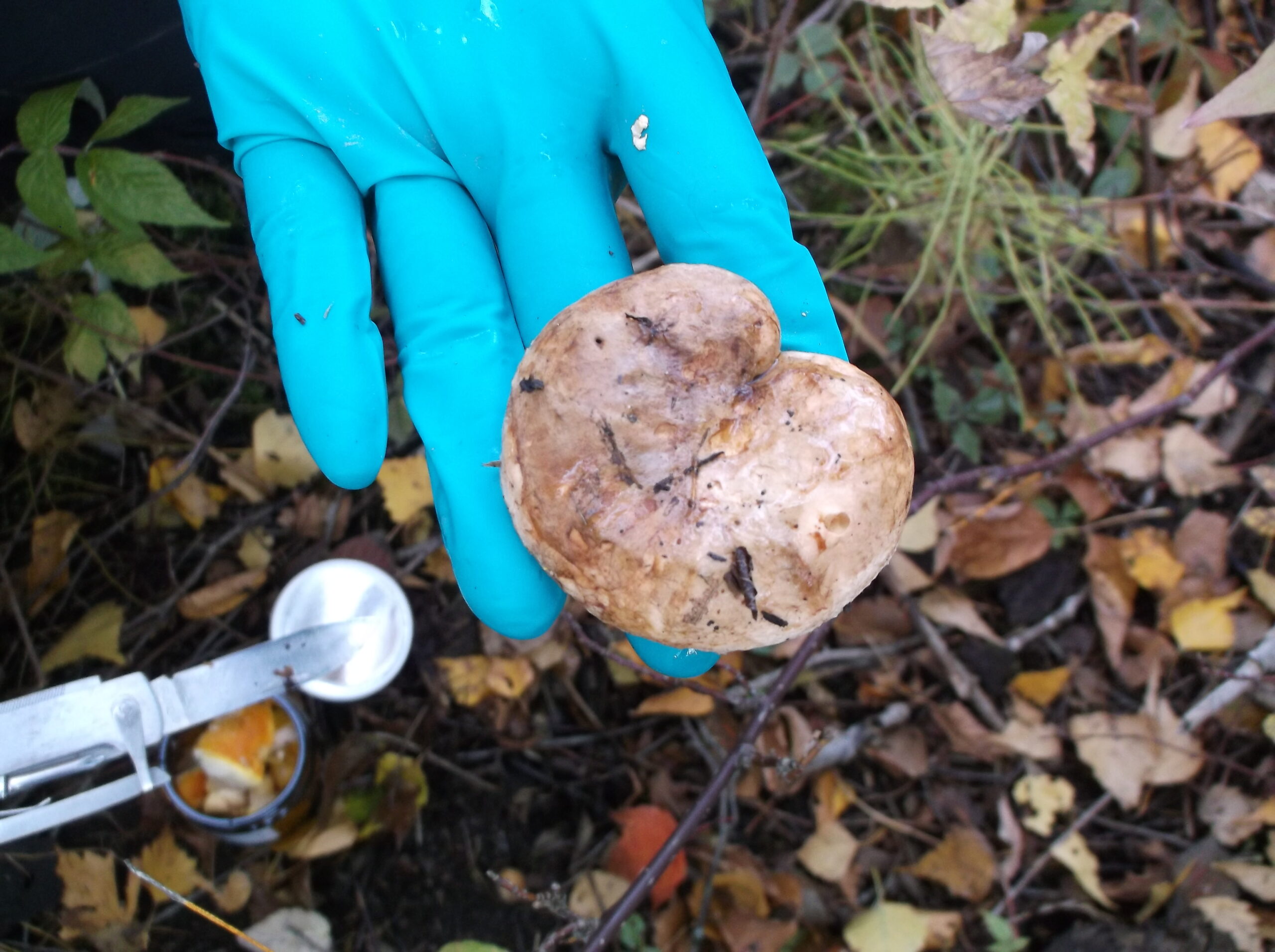
Additional work focused on analyzing dioxins and furans in soil and mushrooms, as well as on the characterization of metals in the soils. Local background levels for dioxins and furans were also determined.
A detailed quantitative risk assessment for human health and ecological receptors was then conducted in accordance with FCSAP procedures. Contamination levels corresponding to an acceptable level of risk were established.
A literature review was conducted to examine available treatment processes and the potential for natural attenuation of dioxins and furans. Cost-benefit charts, residual risk indices, and contaminant mass balances were produced to compare various site-specific remediation scenarios.
The final recommendations included additional studies, remediation options targeting specific areas and soil horizons, an excavation method adapted to the forested environment, and land-use restrictions aimed at protecting human health.
HIGHLIGHTS
- Work carried out from 2017 to 2021.
- Reduction in the number of dioxin and furan analyses through correlation studies with certain metals.
- Identification of unacceptable human health risks associated with the consumption of mushrooms and game meat.
- Determination of ecological risks associated with dioxins and furans and two metals for birds, soil invertebrates and plants.
- Establishment of site-specific remediation criteria using spatial interpolation.
- Integration of contaminated soil replacement with clean soil into scenario evaluations.
- Selection of the remediation scenario offering the best cost-benefit ratio.
- Formulation of remediation and mitigation measures adapted to a forested area.
HAVE A PROJECT IN MIND?
Let's connect!