Service
Soil and Material Management
Industry
Government
PROJECT LOCATION
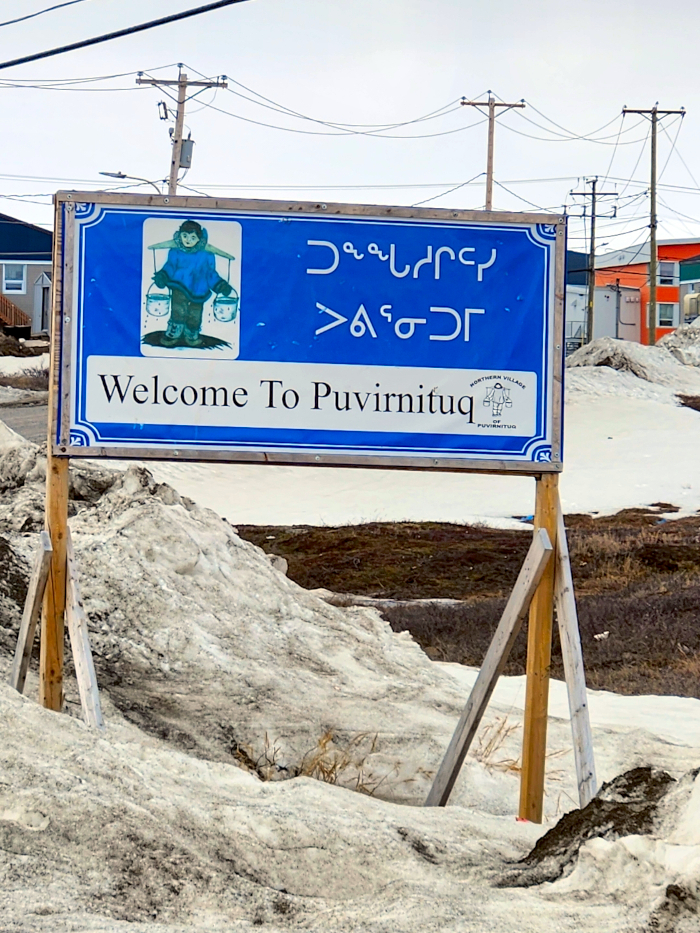
Puvirnituq, Quebec
PROJECT DATE
2024 – 2026+
QUANTITY
Treatment capacity of 3,000 metric tonnes of contaminated soil.
CHALLENGES
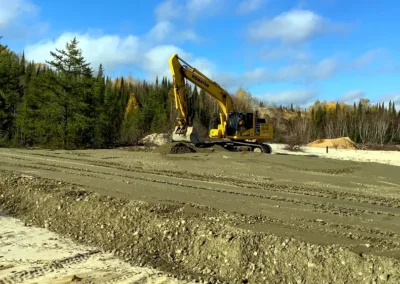
The site development presented exceptional logistical challenges due to its remote location in Northern Québec, on rocky terrain inaccessible by road. All process equipment and rolling stock had to be packed into containers and shipped by sea before being handled on site. Furthermore, supplying electricity to the processing area required the deployment of a dedicated power line, involving the installation of 12 electricity pylons from the main road.
BACKGROUND
In northern communities in Quebec such as Puvirnituq, oil spills generate significant volumes of contaminated soil. The handling of this soil, its transport to the south of the province and its disposal incur very high costs. In order to provide a local solution for the community, a project to develop an on-site treatment facility was launched in 2021. Approval of the project required a rigorous authorisation process lasting approximately two years with the local authorities and the Ministry of the Environment.
Solution
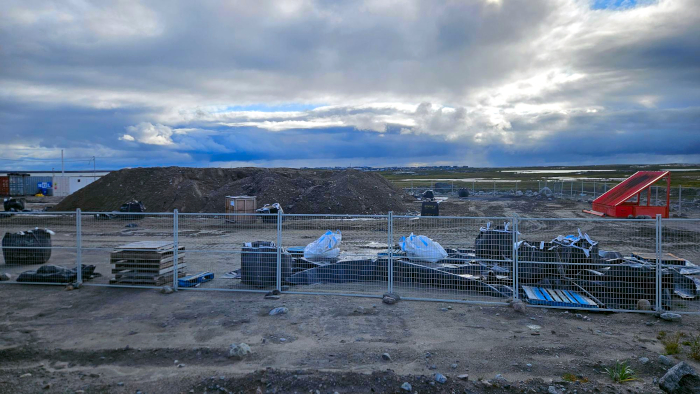
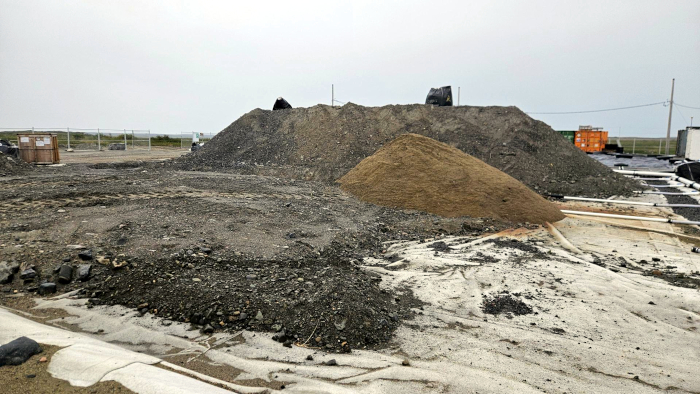
Located approximately 3 km east of the village, a ventilated bio-pile treatment facility ensures the bioremediation of contaminated soil directly within the community. The process relies on a prefabricated system of modular containers, designed to operate reliably in northern conditions. Upon receipt, the soil is segregated and then placed in biological treatment cells. Sanexen manages the entire project lifecycle: design engineering, regulatory procedures, construction, commissioning and ongoing operation of the facility. Sanexen also manages the marketing of treatment services and provides customer service. The community thus benefits from a single point of contact for all its contaminated soil management needs.
HIGHLIGHTS
- Development of a treatment facility adapted to northern conditions
- Transport of all process equipment by cargo ship in modular containers
- Construction of a dedicated power supply line on 12 pylons
- Treatment of soil contaminated with petroleum hydrocarbons (C10–C50), PAHs, VOCs and phenolic compounds
- Receipt of the first batches of soil in autumn 2024, followed by segregation and treatment in early 2026
- Local contaminated soil management service, now available directly within the community.
HAVE A PROJECT IN MIND?
Let's connect!