
No Results Found
The page you requested could not be found. Try refining your search, or use the navigation above to locate the post.
Service
Complex Remediation Plans
Industry
Power
PROJECT LOCATION
Varennes, Quebec
PROJECT DATE
2020
QUANTITY
N/A
The Transformer Maintenance and Repair Center (CERV) needed to remain in operation without interruption while remediation scenarios were being evaluated. Leaks from underground insulating mineral oil tanks resulted in contamination under the building. The groundwater pumping system also promoted their migration beneath the structure and into drainage pipes.
Structural constraints severely limited standard shoring and excavation methods. It was therefore necessary to document the technical impracticability of conventional interventions, assess toxicological and ecotoxicological risks, and evaluate potential impacts on groundwater.
Hydro-Québec mandated several consultants, including Sanexen, to evaluate various remediation scenarios for a plot of land in the CERV area at Hydro-Québec’s Research Institute (IREQ) site in Varennes. The issue stemmed from leaks in underground tanks containing insulating mineral oils.
Phase I, II, and III environmental site assessments, treatment tests, monitoring, and various surveys were conducted between 2009 and 2020. Hydro-Québec then entrusted Sanexen with the studies and expert appraisals needed to build a technical impracticability file aimed at keeping residual contamination in place, in accordance with the procedure established by the Ministère de l’Environnement et de la Lutte contre les changements climatiques (MELCC) on July 5, 2005.
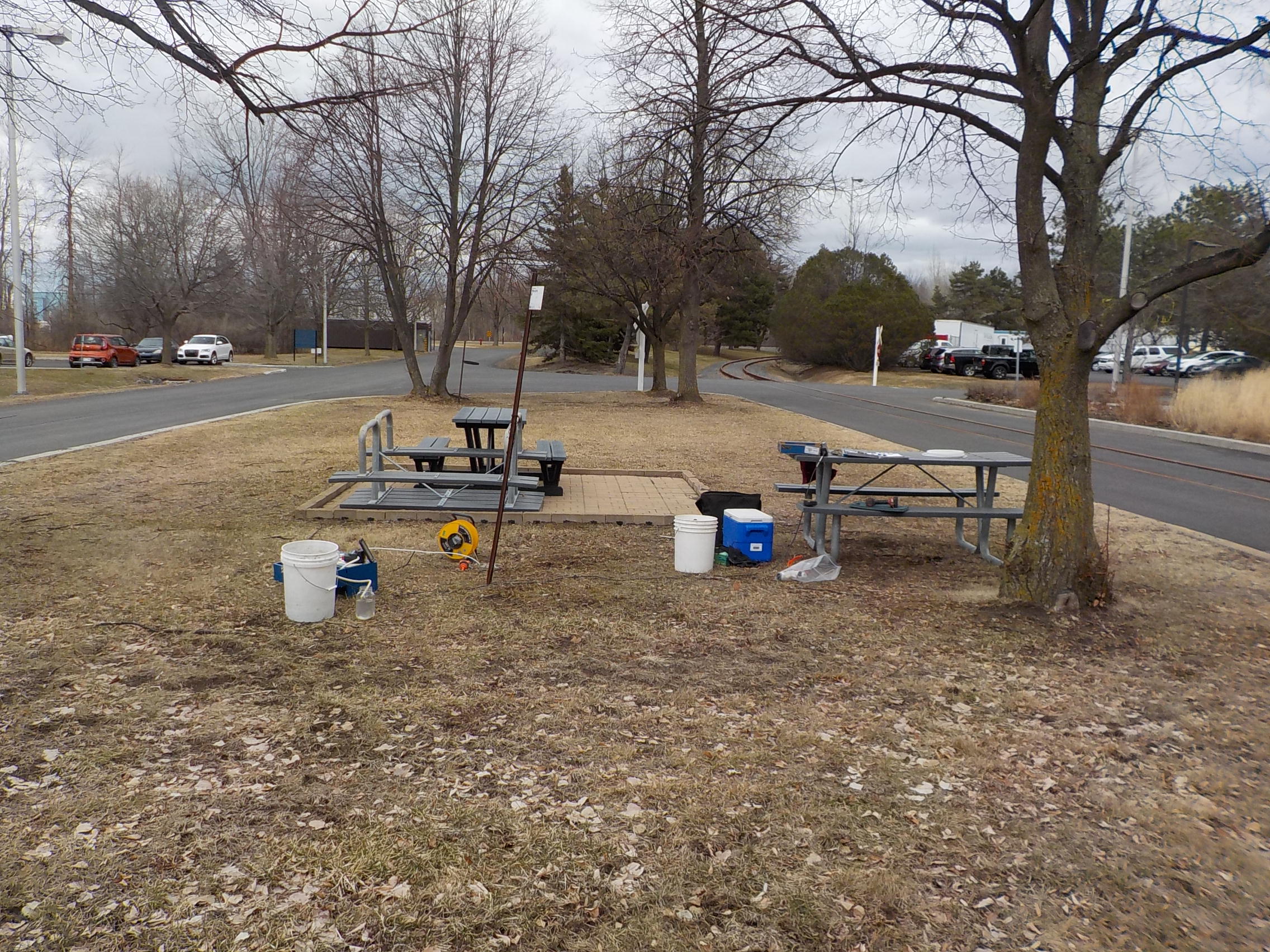
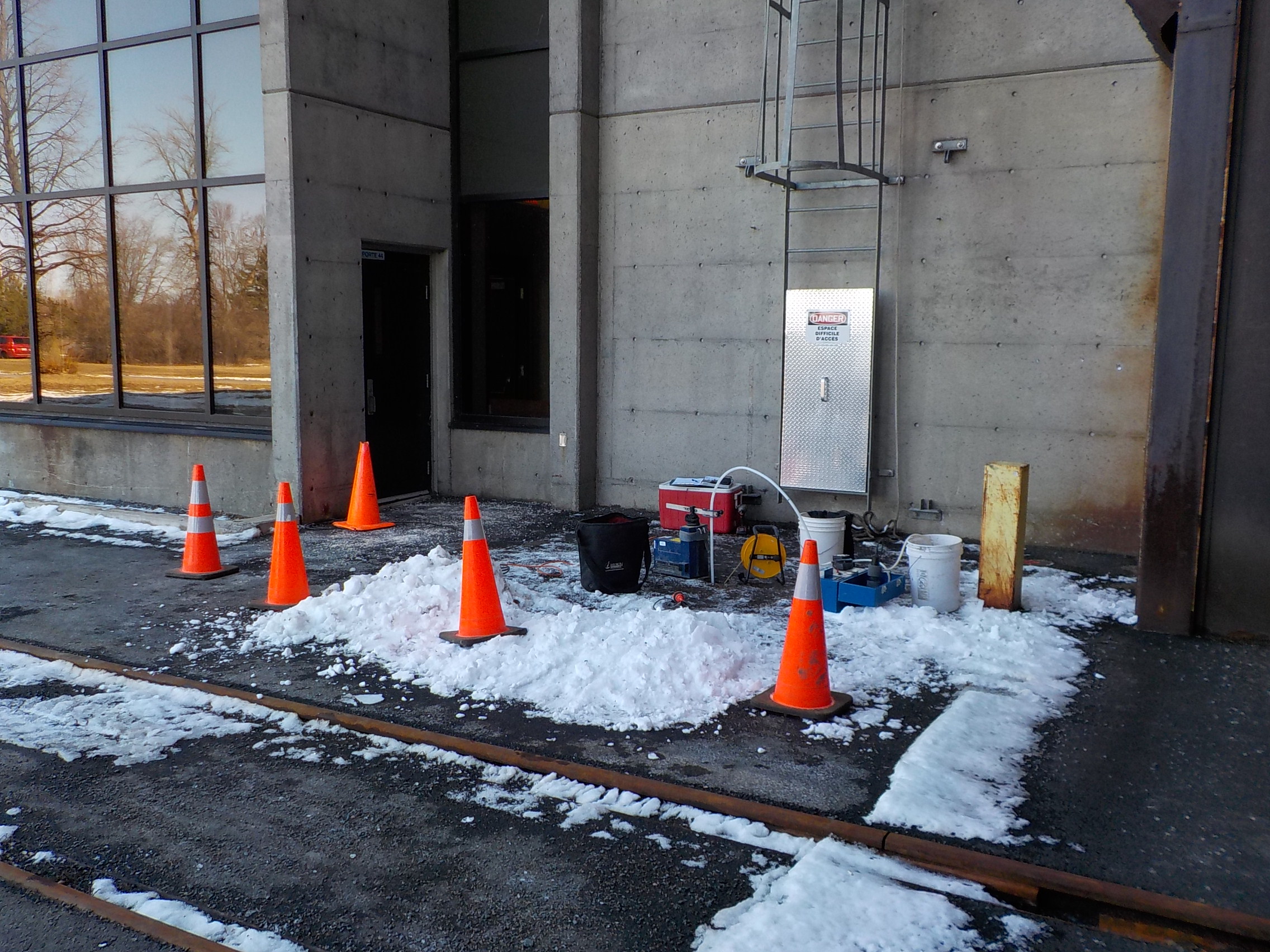
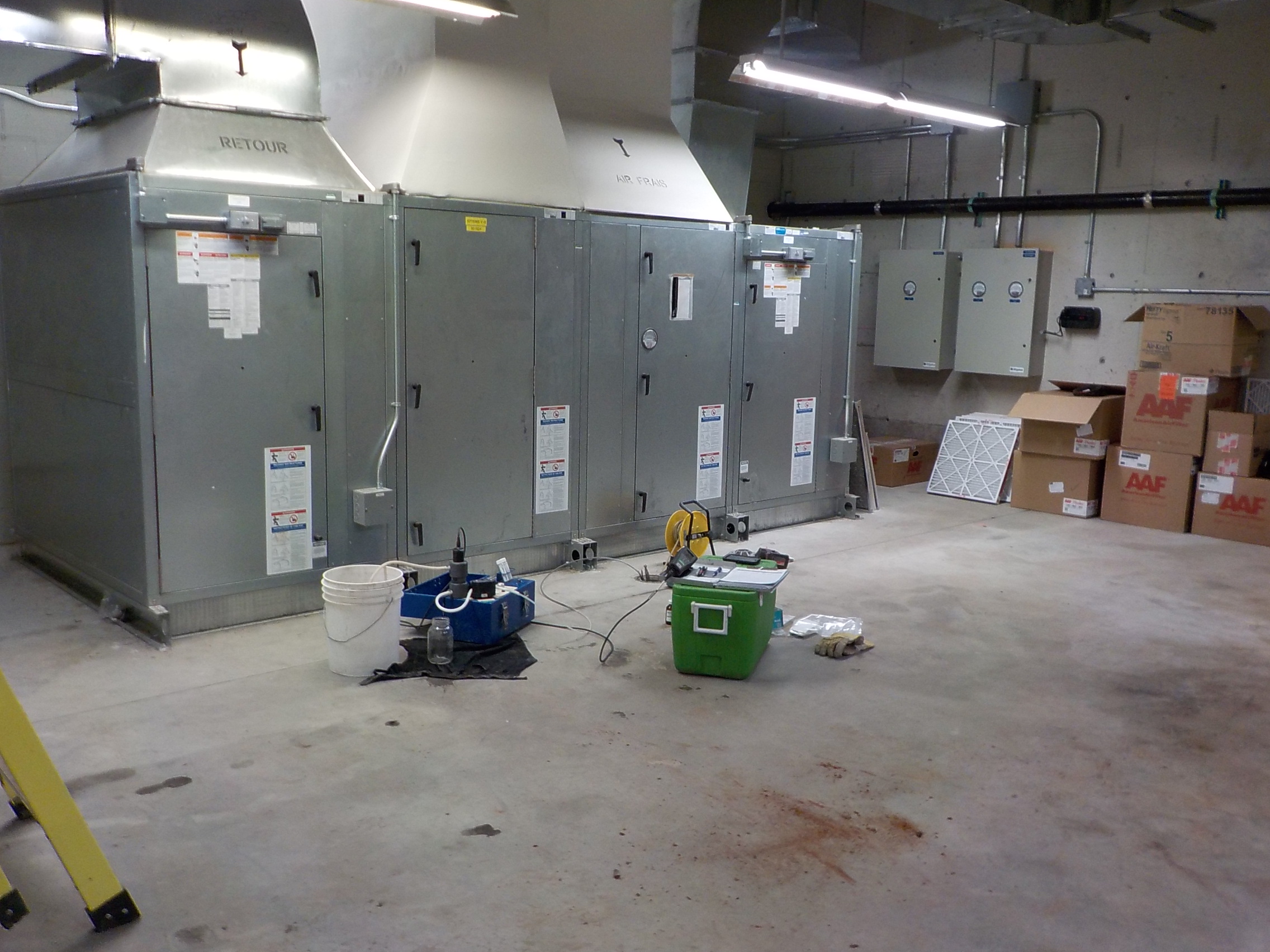
Sanexen analyzed existing studies to assess the environmental condition of the site. Supplementary characterization work, as well as site visits with various stakeholders and specialized firms, were conducted in 2018 and 2019 to update our understanding of the situation.
The team then conducted or supervised the studies required by the technical impracticability procedure. The environmental quality of the groundwater was updated across the entire CERV property. An independent structural engineering firm concluded that standard shoring methods could not be used without compromising the building’s stability.
Sanexen’s Research, Development, and Engineering Department (SRDI) and Risk Assessment Group also provided expert opinions on in-situ soil treatment, toxicological and ecotoxicological risks, and impacts on groundwater. The complete application was submitted to the MELCC in the fall of 2020 to obtain the required regulatory approval.
Let's connect!
The page you requested could not be found. Try refining your search, or use the navigation above to locate the post.
