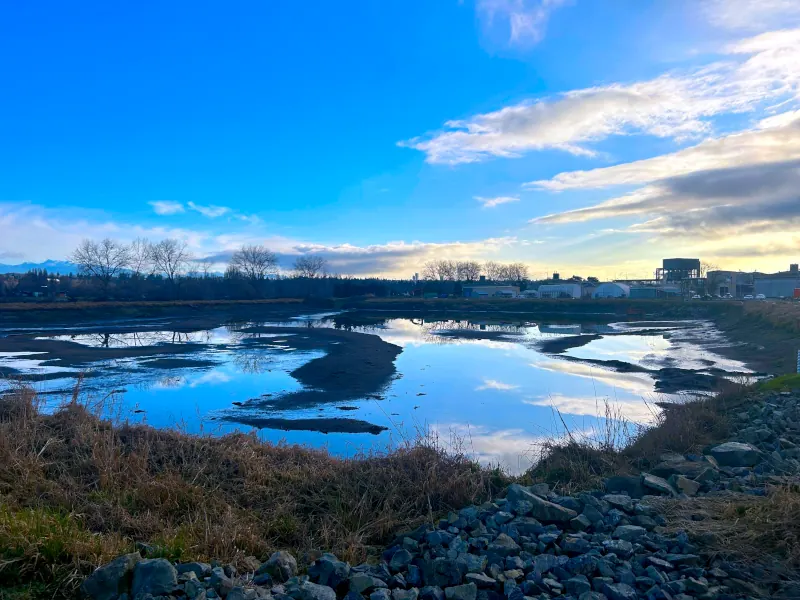
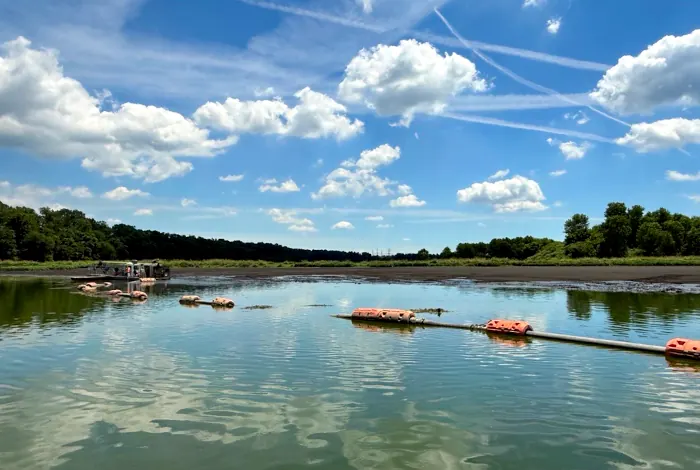
Whether you operate a municipal water or wastewater lagoon, an industrial lagoon or pond serving industries such as pulp & paper, mining, petrochemical, manufacturing, or agri-food processing, a closed-loop water storage pond or lake, sludge accumulation is inevitable. Over time, sediment builds up on the bottom and impacts the overall efficiency of your operation. Eventually, dredging becomes necessary to restore the lagoon's capacity and ensure it continues to perform as designed.
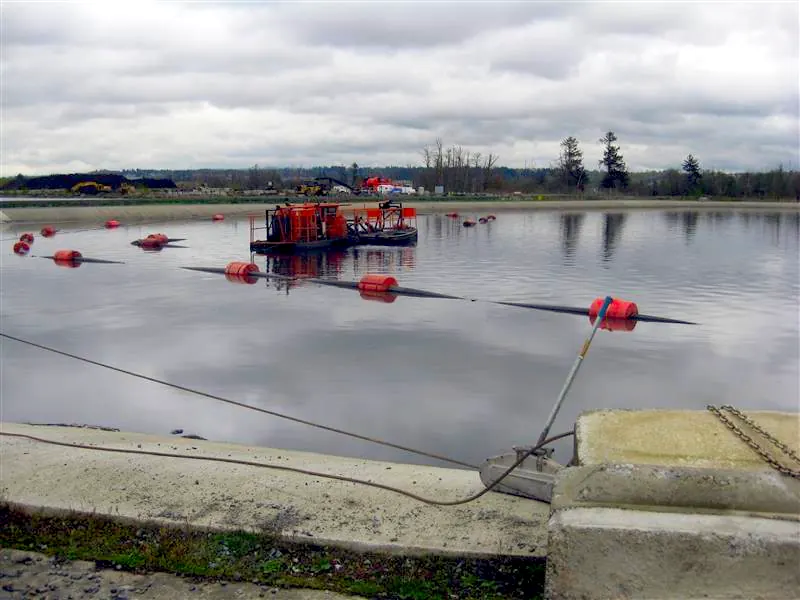
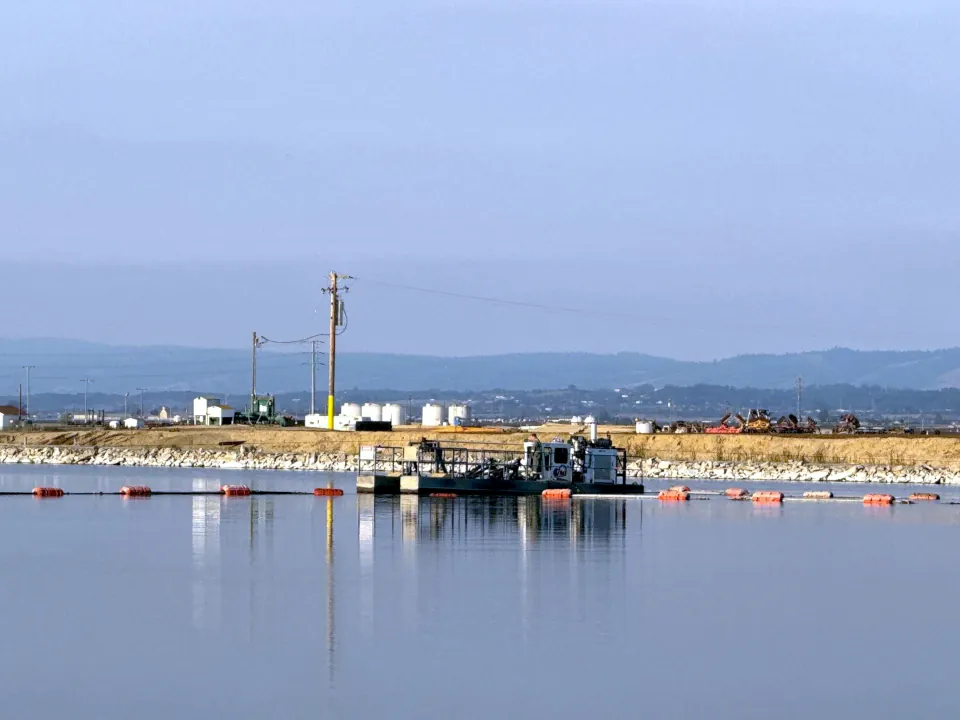
At APG, we provide flexible dredging and dewatering solutions tailored to each client’s needs. Whether a turnkey project or a customized approach is required, we manage every aspect of the work, allowing clients to remain focused on their day-to-day operations. From the initial site assessment to sludge removal, dewatering, and final disposal, our experienced team provides a complete solution designed to deliver results safely, efficiently, and with complete peace of mind.
One of the keys to a successful dredging dewatering project is understanding the sludge before the work begins. Every sludge stream behaves differently, which is why APG begins every project with a thorough site evaluation. Our specialists collect representative sludge samples to determine how the material responds to our dewatering systems and polymer programs. We also evaluate the sludge's texture, density, composition, and other characteristics that influence production rates and dewatering performance. This detailed analysis allows us to select the most effective process for each individual project rather than applying a one-size-fits-all approach.
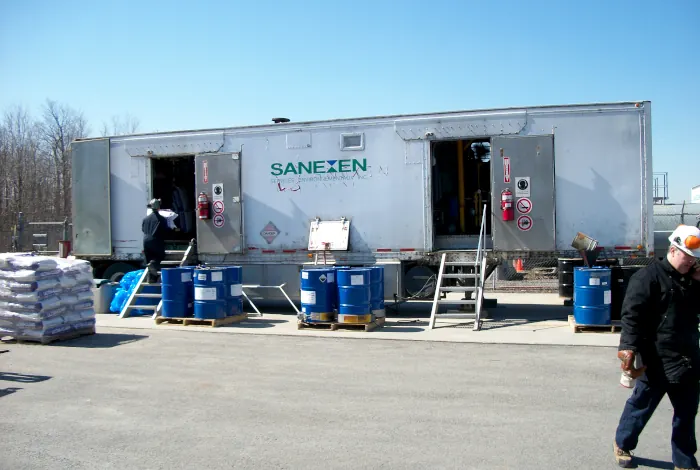
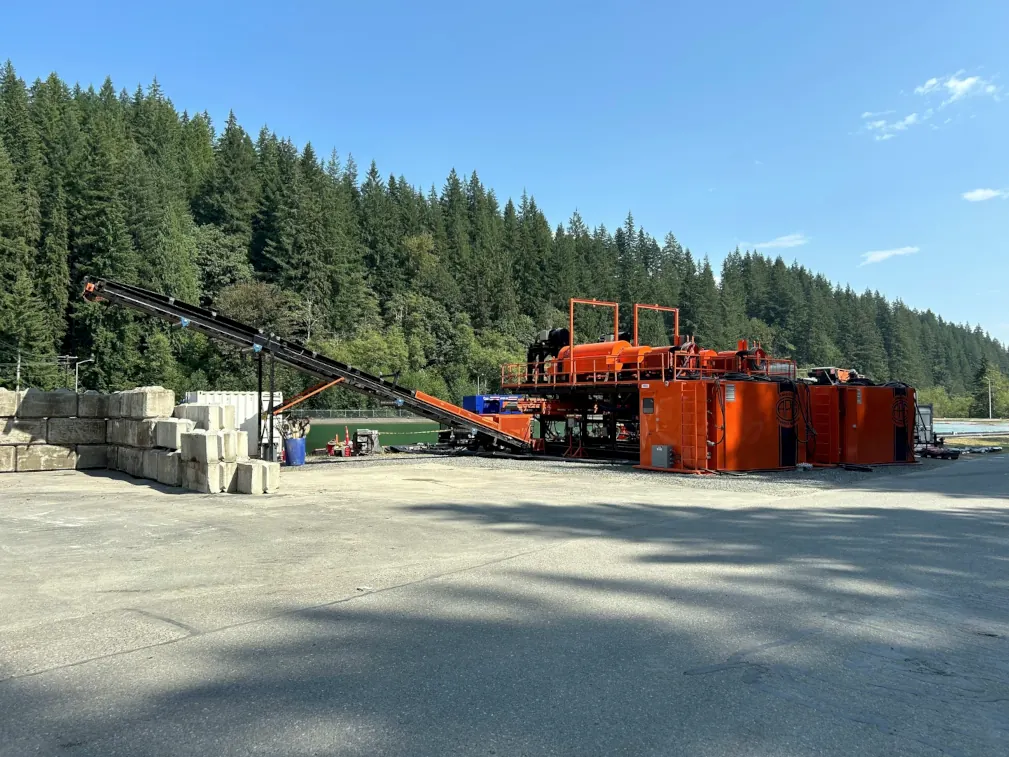
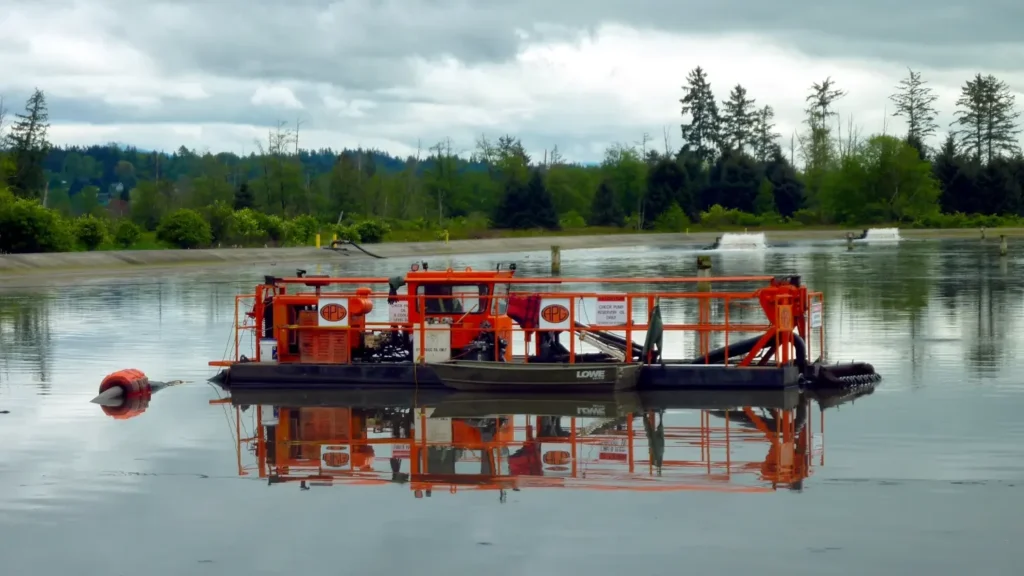
Successful dewatering requires more than advanced equipment, it demands experience, technical expertise, and the ability to adapt to each project's unique requirements. APG combines all three. Our extensive fleet of dredging equipment and custom-engineered centrifuge systems is designed to handle projects of virtually any size. By matching the right centrifuge configuration and operating parameters for each sludge type, we consistently deliver reliable performance and efficient dewatering across a wide range of applications.
On-site dewatering separates liquid from solids before transportation, reducing the volume of material that must be hauled and disposed of. By performing this process on-site, projects benefit from lower hauling requirements, reduced disposal volumes, and a smaller environmental footprint.
Every percentage point of dryness matters. Achieving maximum solids concentration requires continuous process optimization, the right polymer chemistry, and experienced operators who understand how sludge characteristics change throughout a project. Backed by decades of field experience, APG continuously fine-tunes the dewatering process to maximize solids dryness, improve production efficiency, and reduce hauling and disposal costs.
When preparing a preliminary budget estimate, several pieces of information help us develop an accurate proposal. Knowing the approximate sludge volume often obtained through a bathymetric survey provides an excellent starting point. The depth of the lagoon, the desired project schedule, and any available information regarding the sludge characteristics also help us develop an accurate estimate. If some of this information is unavailable, our team can assist in gathering the data necessary to properly evaluate the project.
Above all else, safety remains at the heart of everything we do. Our operators are highly trained, experienced professionals who take pride in their work and have a genuine sense of ownership in every project. That commitment to safety, quality, and performance has earned APG a reputation as a trusted partner for organizations across North America.
If your lagoon, pond, lake, or water storage system has lost capacity due to years of sludge accumulation, APG has the expertise, equipment, and proven processes to restore its performance safely and efficiently. We would be pleased to discuss your requirements and develop a dredging and dewatering approach tailored to your operation.
For more information, please contact: